Aug 29, 2026
Fish
Symptoms
Why Does My Fish Have a Swollen Belly?
A swollen belly with scales sticking outward (dropsy) is a serious internal problem in fish. Learn the early signs, causes, and honest treatment odds.

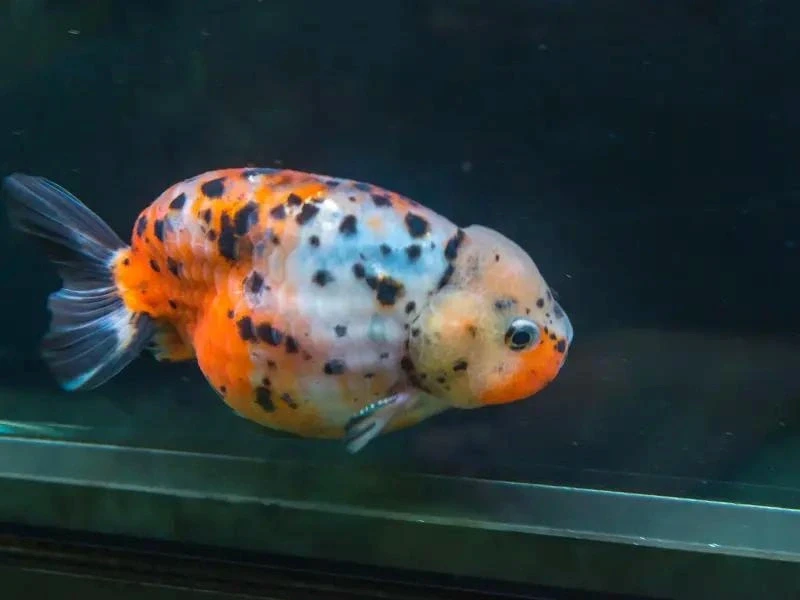
A swollen belly combined with scales sticking outward — often called "pineconing" — is the hallmark of dropsy, a sign that a fish's internal organs, usually the kidneys, are failing to regulate fluid balance. Dropsy isn't a disease itself; it's a late-stage symptom of an underlying problem, most often a bacterial infection that took hold after prolonged stress or poor water conditions. Because it's usually already advanced by the time it's visible, catching it in the earliest stages meaningfully changes the outcome.
What Is Dropsy, Really?
Dropsy happens when a fish's body can no longer regulate fluid balance, usually because the kidneys or gills have been compromised. Fluid builds up inside the body and pushes outward, bloating the abdomen and forcing individual scales to lift away from the body at an angle — the "pinecone" look that gives the condition its nickname. The most common underlying cause is Aeromonas bacteria, which is present at low levels in nearly every aquarium; a healthy fish's immune system normally keeps it in check, and dropsy develops once something — usually chronic stress from poor water quality — has already weakened that defense.
What Are the Early Signs?
This is the part that makes dropsy so easy to miss: in the early stages, a fish may just seem a little off. Watch for:
Eating less enthusiastically than usual
Swimming closer to the surface or the bottom than normal
Clamped fins
A belly that looks only very slightly rounder than usual
None of these alone look like an emergency, which is exactly why dropsy is so often caught late.
What Do Advanced Symptoms Look Like?
Swollen, bloated abdomen — often starting asymmetrically before rounding out fully
Pinecone scales — scales lifting outward from the body, best seen by looking down at the fish from directly above in good light
Bulging eyes (popeye) — fluid building up behind the eyes
Pale or discolored gills, from anemia as the infection progresses
Redness around the vent or body, signaling internal bleeding
A curved spine, as organs get pushed aside by fluid buildup
Loss of appetite and lethargy
Darting to the surface for air, or lying on one side in advanced cases
Is It Really Dropsy? What Else Looks Similar
A swollen belly alone doesn't automatically mean dropsy — swim bladder disorder and simple bloat/constipation both cause abdominal swelling too, and dropsy is commonly misdiagnosed as one of them. The scale-raising is the key differentiator. If the belly looks swollen but the scales are lying flat against the body, you're more likely dealing with bloat or a swim bladder issue, both of which are more common and generally more treatable than dropsy.
What Causes Dropsy?
Chronic stress from poor water quality — the most common underlying trigger, since it weakens the immune system over time
Bacterial infection, most often Aeromonas
Viral or parasitic infections
Liver or kidney disease
Poor nutrition or overeating
Tumors or organ cancer, in less common cases
Bettas are among the fish most frequently affected, largely because they're often kept in small tanks that are harder to keep stable and cycled.
What Are the Honest Treatment Odds?
Dropsy has a low survival rate, and it's important to be direct about that rather than overpromise. The stage at which you catch it makes the biggest difference:
Scales just starting to lift, fish still eating: Treatment has a real chance of working.
Full "pinecone" appearance, curved spine, refusing food: Treatment rarely succeeds at this stage.
Because dropsy is a symptom of organ damage that's often already progressed by the time it's visible, this isn't a condition where "wait and see" buys you anything — earlier action is the only lever you have.
What Should I Do If I Suspect Dropsy?
Move the affected fish to a quarantine/hospital tank immediately. This protects tankmates in case the underlying cause is contagious, and lets you treat without affecting the whole tank.
Test and correct water quality in the main tank. Poor water conditions are the most common root trigger, so this step matters regardless of what's causing the dropsy specifically.
Add aquarium salt to the hospital tank (commonly around one teaspoon per gallon, though guidance varies) to help ease the fish's fluid-regulation burden — check current dosing guidance for your specific fish species first, since not all fish tolerate salt the same way.
Use a broad-spectrum antibiotic labeled for gram-negative bacteria, since Aeromonas is the most common underlying cause.
Keep the hospital tank clean and warm, and offer high-quality food if the fish is still eating.
Consult a vet or aquatic specialist to identify the underlying cause where possible — treating dropsy without knowing what triggered it is treating a symptom, not the disease behind it.
Frequently Asked Questions
Is dropsy contagious to other fish?
It depends on the underlying cause, which may or may not be contagious. Because that's often unclear at first, quarantining the affected fish is standard practice to protect the rest of the tank.
Can dropsy be cured?
It's possible, especially if caught in the earliest stages — while scales are just starting to lift and the fish is still eating. Once a fish reaches full "pineconing" with a curved spine and stops eating, successful treatment becomes far less likely.
How is dropsy different from bloat or swim bladder disorder?
All three cause abdominal swelling, but dropsy is the only one that causes scales to lift outward from the body. If the scales are lying flat, bloat or swim bladder disorder — both more common and more treatable — is the more likely cause.
What's the most common cause of dropsy?
Chronic stress from poor water quality is the most frequently cited root cause, since it weakens a fish's immune system and allows normally-present bacteria like Aeromonas to cause serious internal infection.
Why do bettas seem to get dropsy so often?
Bettas are commonly kept in small tanks, which are harder to keep stable and properly cycled. That instability contributes to the chronic stress that's the most common trigger for dropsy in the first place.
Not Sure What You're Looking At? Get Guidance for Your Specific Fish
Belly swelling can come from a few different causes that look similar early on, and telling them apart matters for how you respond. PetFirst Assist lets you describe exactly what you're seeing — belly shape, scale appearance, other symptoms — and get guidance based on those details, plus a clear signal on what to do next.
PetFirst Assist is an informational tool and does not replace professional veterinary or aquatic-specialist diagnosis or treatment. For rapidly worsening symptoms, act quickly rather than waiting to see if the fish improves on its own.
More Blogs