Aug 29, 2026
Rabbit
Symptoms
Why Is My Rabbit's Head Tilted?
A rabbit's head tilt (torticollis) is usually caused by an inner ear infection or E. cuniculi. Learn the warning signs, home care, and when it's urgent.

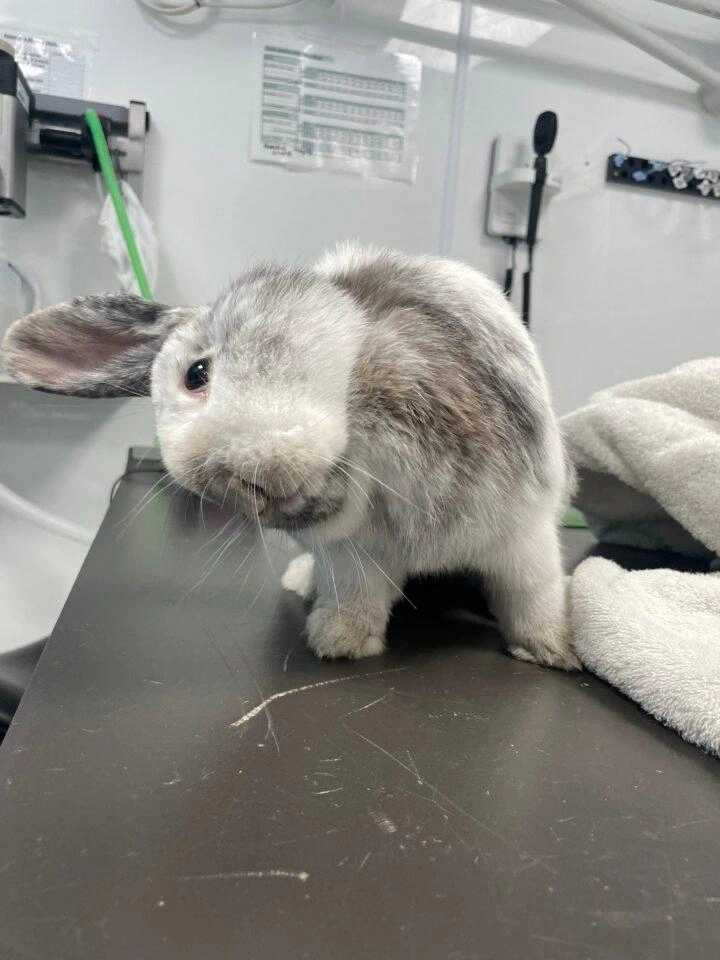
A rabbit holding its head at an abnormal angle — known as head tilt or torticollis — almost always points to a problem with the balance (vestibular) system in the ear or brain, most commonly an inner ear infection or a parasite called E. cuniculi. Head tilt itself isn't a disease — it's a symptom, and figuring out the underlying cause is what determines both the treatment and the outlook. Always contact your vet when a head tilt appears, and treat it as an emergency if your rabbit has also lost their balance, seems distressed, is falling over, or has stopped eating.
What Is Torticollis, and Why Does It Happen?
Head position and balance are controlled by the vestibular system, which sits inside the ear and connects to the brain. When something disrupts that system — infection, inflammation, injury, or a parasite — the rabbit loses accurate signals about which way is up, and the head tilts as a result. This is why head tilt so often comes bundled with other balance-related symptoms, like flickering eye movements (nystagmus), circling, rolling, or an inability to stand steadily.
Head tilt isn't rare: one clinical records analysis found about 1.6% of rabbits presented with it in a given year, and that's thought to underrepresent how often it actually occurs.
What Causes Head Tilt in Rabbits?
Inner or middle ear infection. The most common cause. Bacteria — including Pasteurella, which can travel from the nose through the Eustachian tube into the ear — are frequently responsible. Ear mites and upper respiratory infections can also lead to an ear infection that progresses to head tilt. Rabbits with a straightforward ear infection are often still alert and otherwise strong.
E. cuniculi. A microscopic parasite that primarily affects nervous tissue, the eyes, and the kidneys. Rabbits can carry E. cuniculi for years with no visible signs, and symptoms can appear suddenly when the rabbit is stressed or their immune system is compromised — sometimes triggered by something as routine as a vet visit or spay/neuter surgery.
Less common causes:
Head trauma
Brain or ear tumors
Stroke (cerebrovascular accident)
Toxin exposure — lead or zinc from chewing on older painted surfaces can cause head tilt, loss of balance, and seizures
Abscesses within the ear
Ear Infection or E. cuniculi? Why Telling Them Apart Matters
Both conditions cause similar symptoms — head tilt, loss of balance, nystagmus — which is part of why diagnosis usually needs more than a visual exam. A few general patterns can offer clues, though neither is definitive on its own:
Rabbits with a straightforward inner ear infection are often still alert and physically strong.
Visible ear symptoms — discharge, scratching, swelling — point more toward an ear-based cause.
E. cuniculi testing is available, but a positive result doesn't confirm it's the actual cause of the head tilt, since many healthy rabbits carry the parasite without symptoms.
Because of this overlap, vets often treat for both possibilities at once rather than waiting for a single confirmed diagnosis, especially when imaging like CT or MRI isn't available.
When Should I Contact a Vet?
Contact your vet as soon as you notice a head tilt, and treat it as an emergency if your rabbit:
Has lost their balance or is falling over
Seems distressed or disoriented
Has stopped eating
Is rolling or unable to stand
Shows visible ear discharge, swelling, or pain
Rabbits that stop eating are at risk of GI stasis on top of whatever is causing the head tilt, which adds urgency on its own.
How Is Head Tilt Treated?
Treatment depends entirely on the underlying cause, which is why a vet visit — rather than home guesswork — is the right first step:
Ear infections are typically treated with a long course of antibiotics, sometimes alongside anti-inflammatory medication for pain and swelling. Severe cases may need sedation for imaging or flushing of the ear canal.
E. cuniculi is often treated presumptively with antiparasitic medication (like fenbendazole), sometimes combined with other drugs, even without a confirmed diagnosis, given how common and hard-to-confirm the parasite is.
Toxin exposure requires removing the rabbit from the source and toxin-specific treatment.
Supportive care matters throughout treatment — a padded, low-stress environment prevents injury while a rabbit's balance is impaired, since forced movement can cause falls.
Full recovery is possible, especially with early diagnosis and prompt treatment, though some rabbits retain a mild, permanent tilt even after the underlying cause resolves.
Frequently Asked Questions
Is a rabbit's head tilt always an emergency?
Contact your vet as soon as you notice it, and treat it as an emergency specifically if your rabbit has also lost balance, seems distressed, is falling over, or has stopped eating. A head tilt with none of those additional signs should still be evaluated promptly, just not necessarily at an emergency clinic.
What is the most common cause of rabbit head tilt?
Inner or middle ear infections and E. cuniculi are the two most common causes, and they can look similar enough that vets sometimes treat for both at once.
Can a rabbit fully recover from a head tilt?
Yes, full recovery is possible, especially with early diagnosis and treatment. Some rabbits are left with a mild, permanent tilt even after the underlying cause has resolved, but many go on to live normal, active lives.
Is head tilt painful for rabbits?
Generally, head tilt itself is described as disorienting rather than painful. However, if an ear infection is the underlying cause, that infection typically does cause discomfort.
Can E. cuniculi be confirmed with a blood test?
Testing is available, but a positive result doesn't confirm E. cuniculi is the actual cause of the head tilt, since many rabbits carry the parasite without ever showing symptoms. Vets often weigh this alongside other findings rather than relying on the test alone.
Not Sure If This Is an Emergency? Get Guidance for Your Specific Rabbit
Head tilt can look similar across very different underlying causes, and it's not always obvious how urgent things are just from watching your rabbit. PetFirst Assist lets you describe exactly what you're seeing — balance, eating, other symptoms — and get guidance based on those details, plus a clear signal on when it's time to call the vet.
PetFirst Assist is an informational tool and does not replace professional veterinary diagnosis or treatment. For loss of balance, distress, or refusal to eat alongside a head tilt, contact a veterinarian immediately.
More Blogs