Aug 28, 2026
Hamster
Symptoms
Why Is My Hamster's Cheek Pouch Swollen?
A swollen, persistent bulge in a hamster's cheek is usually impacted food or bedding. Learn the warning signs, safe home steps, and when it's a vet visit.

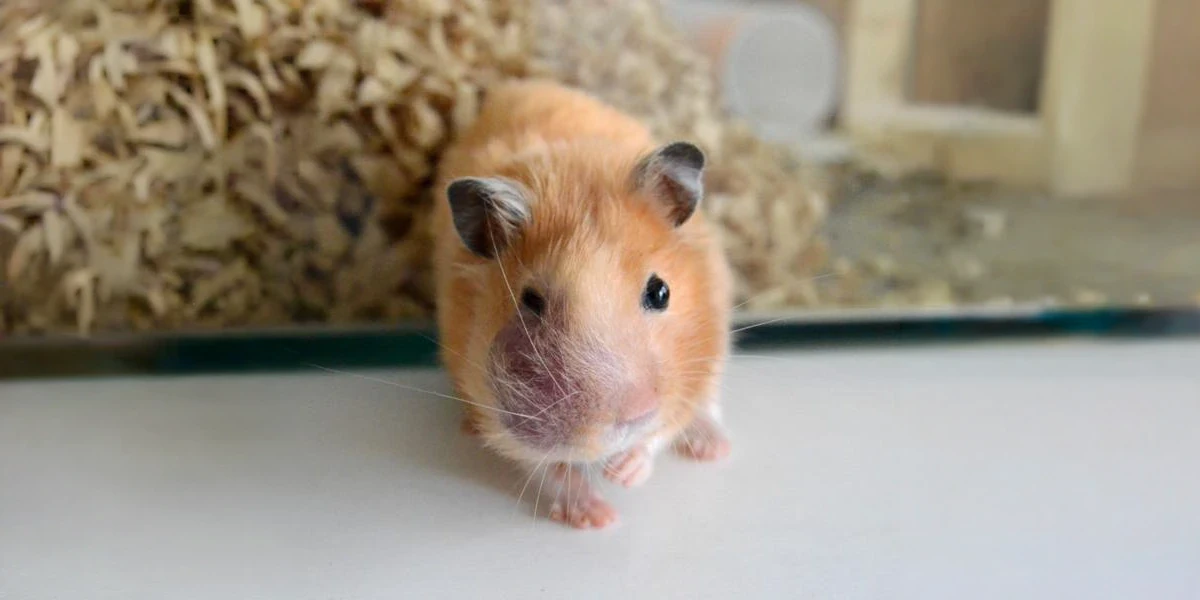
A cheek pouch bulge that doesn't go away within a few hours is usually impacted food or bedding, and it's worth acting on rather than waiting it out. Normal cheek pouches empty within minutes as a hamster unloads their stash — a persistent, unmoving bulge on one or both sides of the face means something is stuck. It's common and often manageable, but it can progress to infection or a painful abscess if left too long.
What Does Cheek Pouch Impaction Actually Mean?
Hamsters use their cheek pouches to carry food and bedding material back to their nest, and the pouches can stretch to hold an impressive amount relative to the hamster's size. Impaction happens when something — often food with sharp edges, sticky treats, or fluffy bedding fibers — gets packed in and won't come back out on its own. Left in place, the trapped material can rub against the pouch lining, causing irritation, abrasions, and eventually infection.
A subset of persistent swellings turn out to be something other than simple impaction — cheek pouch abscesses from small mucosal injuries, or, less commonly, tumors in older hamsters. This is part of why a bulge that doesn't resolve with basic home care needs a vet look, not just repeated attempts to fix it yourself.
What Causes It?
Sharp-edged foods, like certain seeds, that can scratch or snag inside the pouch
Sticky foods, like peanut butter, that clump and pack instead of clearing
Fluffy or fibrous bedding, which hamsters sometimes stuff alongside food and which doesn't move the way food does
Overfilling the pouch faster than it can be emptied
Small injuries to the pouch lining, which can develop into an abscess even without an ongoing impaction
What Are the Warning Signs?
A visible, persistent bulge on one or both sides of the face
Repeated attempts to push or paw the material out, without success
Drooling or pawing at the mouth
Reduced appetite or refusal to eat
Foul odor from the mouth
Weight loss
A change in normal hoarding behavior
Drooling in a hamster is never normal on its own. It usually points to an oral problem — impaction, an abscess, or dental disease — and combined with facial swelling or reduced eating, it's a signal to get seen the same week, sooner if it looks severe.
When Is This an Emergency?
Get same-day veterinary care if your hamster:
Has a rapidly worsening or clearly painful swelling
Has stopped eating or drinking
Has visible pink or fleshy tissue protruding from the mouth (a prolapsed pouch) — this can dry out and become damaged within hours and should never be pushed back in at home
Shows signs of significant distress, like persistent pawing at the face combined with lethargy
A same-week visit is appropriate for a persistent bulge, drooling, or reduced appetite that isn't improving with gentle home care, even if your hamster otherwise seems okay.
What Can I Safely Try at Home?
If the bulge is mild, your hamster is still eating, and there's no visible tissue protruding:
Gently massage the cheek from the back toward the mouth opening, to help encourage the material to come forward.
Only remove material you can clearly see and reach, using clean fingers or soft tweezers — never dig blindly into the pouch, since you can injure the lining.
Switch to soft, hamster-safe foods temporarily, and avoid sharp seeds or sticky treats until things resolve.
Check and clean the bedding, since fluffy or fibrous bedding is a common contributor.
Give it no more than a day. If gentle massage isn't clearing it within 24 hours, or the swelling looks the same or worse, it's time for a vet rather than continuing to try at home.
Never attempt to reduce a prolapsed pouch (visible pink tissue hanging from the mouth) yourself. This needs an exotic vet, typically the same day.
Frequently Asked Questions
How long can a hamster's cheek pouch stay full before it's a problem?
Normal pouches empty within minutes. A bulge that persists for several hours to a full day is a sign of impaction and worth acting on rather than assuming it will clear on its own.
Is a swollen cheek pouch always impaction?
Usually, but not always. Abscesses from small injuries to the pouch lining and, less commonly, tumors in older hamsters can also cause persistent swelling — which is why a bulge that doesn't resolve with gentle home care should be checked by a vet.
Can I remove impacted food myself?
You can gently massage the cheek and remove material you can clearly see and safely reach. Don't dig blindly into the pouch, and don't attempt removal if there's visible tissue protruding — that's a prolapse and needs a vet.
Why is my hamster drooling along with the swelling?
Drooling isn't normal hamster behavior on its own and usually signals an oral problem like impaction, an abscess, or dental disease. Paired with facial swelling or reduced eating, it warrants a same-week vet visit.
What foods increase the risk of cheek pouch impaction?
Foods with sharp edges, like certain seeds, and sticky foods, like peanut butter, both raise the risk. Sticking to soft, hamster-safe foods and avoiding human snacks helps lower the chances of impaction.
Not Sure If This Needs a Vet? Get Guidance for Your Specific Hamster
A cheek pouch bulge can be a quick fix or a sign of something that needs professional care, and it's not always obvious which from a quick look. PetFirst Assist lets you describe exactly what you're seeing — how long it's lasted, whether your hamster is eating, any drooling — and get guidance based on those details, plus a clear signal on when it's time to call the vet.
PetFirst Assist is an informational tool and does not replace professional veterinary diagnosis or treatment. For a visibly protruding pouch or rapid worsening, contact an exotic veterinarian immediately.
More Blogs