Aug 28, 2026
Dog
Prevention
Does Your Dog's Breed Predict Their Health Risks?
Bulldogs, German Shepherds, Great Danes, and Dachshunds each carry their own genetic health risks. Learn what to screen for and how to catch problems early.


Yes — decades of selective breeding for specific traits, sizes, and body shapes has concentrated certain genetic vulnerabilities in specific breeds, and knowing your dog's breed-linked risks lets you screen for problems before symptoms show up. A Dachshund's long spine and a Great Dane's size aren't just physical traits; they're roadmaps to what preventive care should focus on. Mixed-breed dogs carry health risks too, but purebreds carry known, well-documented ones that make targeted prevention genuinely possible.
Why Breed Matters for Prevention
Understanding a dog's inherited tendencies isn't about fear — it's about preparedness. When a specific condition is well-documented within a breed, you and your vet can build a screening and monitoring plan around it, rather than waiting for symptoms to appear on their own. Since several of the most serious breed-linked conditions can progress with few early warning signs, that head start matters.
Common Breed-Specific Health Risks
Breed | Primary Risk(s) | What to Watch For |
|---|---|---|
Bulldogs (English & French) | Brachycephalic airway syndrome; hip dysplasia | Snoring, breathing difficulty, exercise or heat intolerance; stiffness, reluctance to jump |
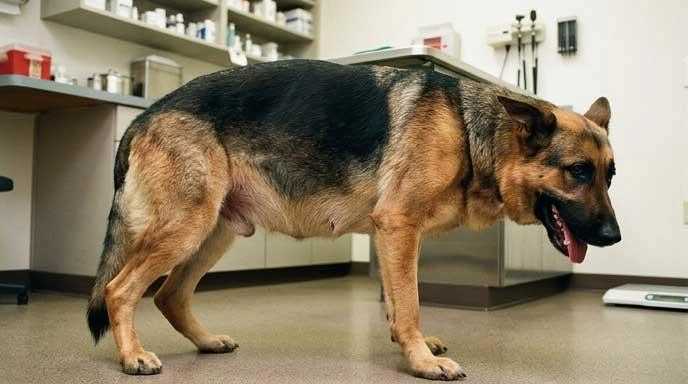
German Shepherd | Hip and elbow dysplasia; degenerative myelopathy; epilepsy | Stiffness, mobility issues; progressive hind-limb weakness; seizures |
Great Dane | Gastric dilatation-volvulus (bloat/GDV); hip dysplasia; Wobbler syndrome; osteosarcoma | Distended abdomen, unproductive retching (emergency); joint stiffness; unsteady gait; limping or swelling in limbs |
Doberman Pinscher | Dilated cardiomyopathy (DCM); Wobbler syndrome; von Willebrand disease | Lethargy, exercise intolerance; neck pain, unsteady gait; excessive bleeding or bruising |
Dachshund | Intervertebral disc disease (IVDD) | Reluctance to jump, back pain, dragging hind legs — up to a quarter of Dachshunds are affected in their lifetime |
Golden Retriever | Hip dysplasia; elevated cancer risk (lymphoma, hemangiosarcoma) | Mobility changes; lethargy, pale gums, abdominal swelling |
Boxer | Mast cell tumors; degenerative myelopathy; cardiomyopathy | New skin lumps; hind-limb weakness; exercise intolerance |
Beagle | Epilepsy | Seizure activity, unusual episodes of disorientation |
How to Prevent Breed-Specific Problems Before They Progress
Ask your breeder about genetic and health screening. Reputable breeders screen parent dogs for conditions like hip dysplasia and cardiac disease before breeding, which lowers (though doesn't eliminate) the risk of passing them on.
Schedule condition-specific screening, not just annual exams. Hip X-rays, cardiac screening, and eye exams can catch problems in high-risk breeds before symptoms appear — ask your vet which screenings fit your dog's specific breed.
Know your breed's emergency signs cold. Bloat in deep-chested breeds like Great Danes can go from normal to life-threatening within hours; brachycephalic breeds can decompensate quickly in heat. Knowing the signs in advance saves critical time.
Manage weight and activity carefully in at-risk breeds. Keeping a Dachshund from jumping on and off furniture, or managing a large breed puppy's growth rate and calcium intake, are concrete, low-cost ways to reduce risk.
Watch for the subtle signs, not just the dramatic ones. Mild stiffness, a slight change in gait, or reduced energy are easy to write off as normal aging but are often the earliest tells for joint and neurological conditions.
Don't skip checkups because your dog "seems fine." Conditions like dilated cardiomyopathy and early-stage hip dysplasia can be present well before obvious symptoms show up.
What This Means for Mixed-Breed Dogs
Mixed-breed dogs don't carry the same predictable, well-documented genetic risk profile as purebreds, but that doesn't mean they're risk-free — it means the "watch list" is less specific. Standard preventive care (annual exams, weight management, dental care) still applies, and knowing which breeds make up your dog's background, even loosely, can still point toward relevant risks worth discussing with your vet.
Frequently Asked Questions
Which dog breeds are most at risk for bloat (GDV)?
Great Danes are among the breeds most associated with gastric dilatation-volvulus, along with other large, deep-chested breeds. It's a life-threatening emergency, so knowing the warning signs — a distended abdomen and unproductive retching — in advance matters more than for most conditions.
Is hip dysplasia preventable?
Hip dysplasia has a genetic component, so it can't be fully prevented, but screening breeding dogs, managing a growing puppy's weight and calcium intake, and avoiding high-impact activity in predisposed breeds can reduce severity and delay onset.
Why are Dachshunds so prone to back problems?
Their elongated spine combined with short legs creates significant strain on the discs between vertebrae, making intervertebral disc disease common in the breed. Avoiding jumping on and off furniture and maintaining a healthy weight are the two most concrete preventive steps.
Do brachycephalic (flat-faced) breeds always have breathing problems?
Not always, but breeds like Bulldogs, Pugs, and Boxers are predisposed to brachycephalic airway syndrome due to their short muzzles, so breathing difficulty, snoring, and heat intolerance are worth monitoring rather than assuming they're just "normal for the breed."
Are mixed-breed dogs healthier than purebred dogs?
Not necessarily healthier overall, but they don't carry the same predictable, well-documented genetic risk profile that purebred dogs do, which makes targeted screening less straightforward.
Know Your Dog's Risk Profile? Get Guidance Built Around It
Breed-specific risks are easiest to catch early when you know what to watch for in your specific dog. PetFirst Assist uses your dog's actual profile — including breed — to help you understand symptoms and recognize when something is worth a closer look.
PetFirst Assist is an informational tool and does not replace professional veterinary diagnosis or treatment. Breed-specific screening recommendations should come from your veterinarian.
More Blogs