Aug 28, 2026
Bird
Symptoms
Why Is My Bird Plucking Its Feathers?
Feather plucking in birds is never "just a habit." Learn the medical and behavioral causes, warning signs, and why a vet check should come first.

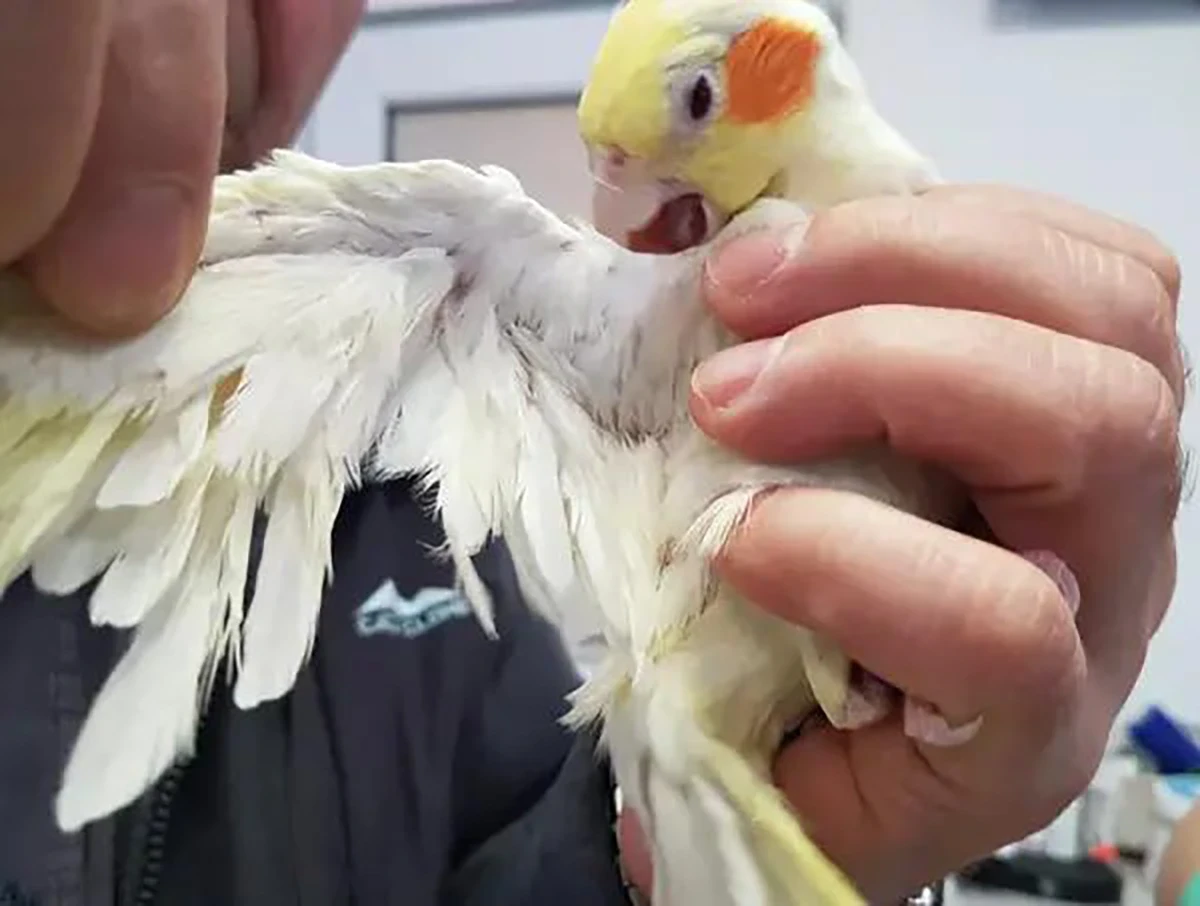
Feather plucking is never just a bad habit — it's a symptom, and it can come from a medical cause, a behavioral one, or often both at once. Unlike normal preening, which keeps feathers clean and in place, plucking is compulsive and leaves bald patches, broken shafts, or even open sores. Because medical and behavioral causes overlap so heavily, the right first step is almost always a vet visit, not a guess about what's stressing your bird out.
Why Isn't This Just a Behavior Problem?
It's tempting to assume plucking is boredom or stress, especially if your bird's cage setup or routine has changed recently. But feather plucking is one of the earliest visible signs of illness in birds, who are otherwise excellent at hiding when something's wrong. An older bird who suddenly starts plucking its belly might look like a boredom case on the surface, while the actual cause turns out to be an underlying illness — which is exactly why ruling out medical causes comes first, not last.
What Medical Conditions Cause Feather Plucking?
Infections — bacterial, viral, fungal, or parasitic
Skin inflammation or irritation
Allergies
Feather cysts, which can be painful and drive picking at the affected area
Malnutrition, especially from seed-only diets lacking balanced nutrients
Liver or kidney disease, which can affect skin condition and feather quality
Hormonal or metabolic disorders, including thyroid issues
Heavy metal toxicity (zinc or lead), which can also cause neurological signs
Pain referred to the skin — birds sometimes pluck near an area that's actually hurting from arthritis or an old injury
Tumors or cancer, in less common cases
What Behavioral and Environmental Causes Contribute?
Boredom and lack of mental stimulation
Stress or anxiety, including from a change in routine, environment, or household
Sexual frustration, especially in species prone to hormonal behavior
Lack of social interaction, since birds are highly social animals
Environmental stressors — cigarette smoke, loud noise, low humidity, poor lighting, or sudden temperature swings
Attention-seeking, since plucking reliably gets a reaction from an owner, which can reinforce the behavior over time
Feather plucking happens almost exclusively in captive birds — it's rarely seen in the wild — which points to captivity-related stress and stimulation gaps as major contributing factors on the behavioral side.
What Should I Watch For?
Bald patches, especially in areas the bird can reach with its beak
Broken feather shafts or short stubble where feathers should be
Actively pulling or chewing at feathers, not just normal preening
Skin irritation, sores, or bleeding at plucking sites
Other signs of stress alongside plucking, like screaming, aggression, or unusual postures
Sudden, severe plucking, or plucking that comes with skin damage, should be seen by an avian vet quickly rather than waiting to see if it resolves on its own.
What Will a Vet Actually Do?
An avian veterinarian will typically start with a physical exam and a detailed history covering diet, environment, and routine, since environmental and behavioral factors matter just as much as the physical exam. From there, they may run bloodwork, fecal exams, skin scrapes, or imaging to rule out infections, organ disease, or other medical causes. Only once medical causes are addressed or ruled out does a behavior modification plan make sense as the next step.
What Can Help While You Work With a Vet?
Improve diet. A balanced, pelleted diet with fresh fruits and vegetables addresses one of the most common contributing factors — poor nutrition from seed-only diets.
Add enrichment. Foraging toys, more physical space, and opportunities to express natural behaviors can meaningfully reduce boredom-driven plucking.
Watch how you interact. Avoid stroking your bird's back if they seem to find it overstimulating, since this can trigger sexual behavior and contribute to frustration-related plucking in some species.
Keep the environment stable. Reduce loud noise, cigarette smoke, and sudden temperature changes where possible.
Be patient. Feather plucking can become a difficult-to-break habit even after the original cause is addressed, and it often takes several vet visits to find the right combination of medical treatment and behavioral support.
Frequently Asked Questions
Is feather plucking always a medical problem?
No, but it's often a mix of medical and behavioral causes, and the two frequently overlap. Because of that overlap, ruling out medical causes with an avian vet should always come before assuming it's purely behavioral.
Can feather plucking go away on its own?
It's possible with mild cases and quick correction of the underlying cause, but plucking can also become a difficult-to-reverse habit if left untreated, even after the original trigger is resolved. Early intervention gives the best chance of stopping it.
Why does my bird pluck feathers right after I've been stressed or busy?
Birds are highly social and bond closely with their owners, so changes in your routine, attention, or stress level can register as stress for your bird too. This is one of several behavioral triggers, though a vet visit is still worth doing to rule out a medical cause happening at the same time.
Does diet really affect feather plucking?
Yes. Malnutrition, especially from seed-only diets, is considered one of the most common contributing factors to feather destructive behavior, and correcting the diet is often part of the treatment plan.
When should I take my bird to the vet for feather plucking?
As soon as you notice it. Feather plucking should always be evaluated by an avian vet, and sudden, severe, or rapidly progressing plucking — or plucking with skin damage — should be seen quickly rather than monitored at home.
Not Sure What's Driving It? Get Guidance for Your Specific Bird
Feather plucking can come from so many different directions that it's genuinely hard to guess the cause without a closer look. PetFirst Assist lets you describe exactly what you're seeing — where the plucking is happening, how it started, other behavior changes — and get guidance based on those details, plus a clear signal on when it's time to see an avian vet.
PetFirst Assist is an informational tool and does not replace professional veterinary diagnosis or treatment. Feather plucking should always be evaluated by an avian veterinarian.
More Blogs