Aug 19, 2026
Dog
Symptoms
Why Does My Dog Have Diarrhea?
Dog diarrhea is often mild and short-lived, but blood, lethargy, or symptoms lasting past 24 hours can signal an emergency. Know what to watch for.

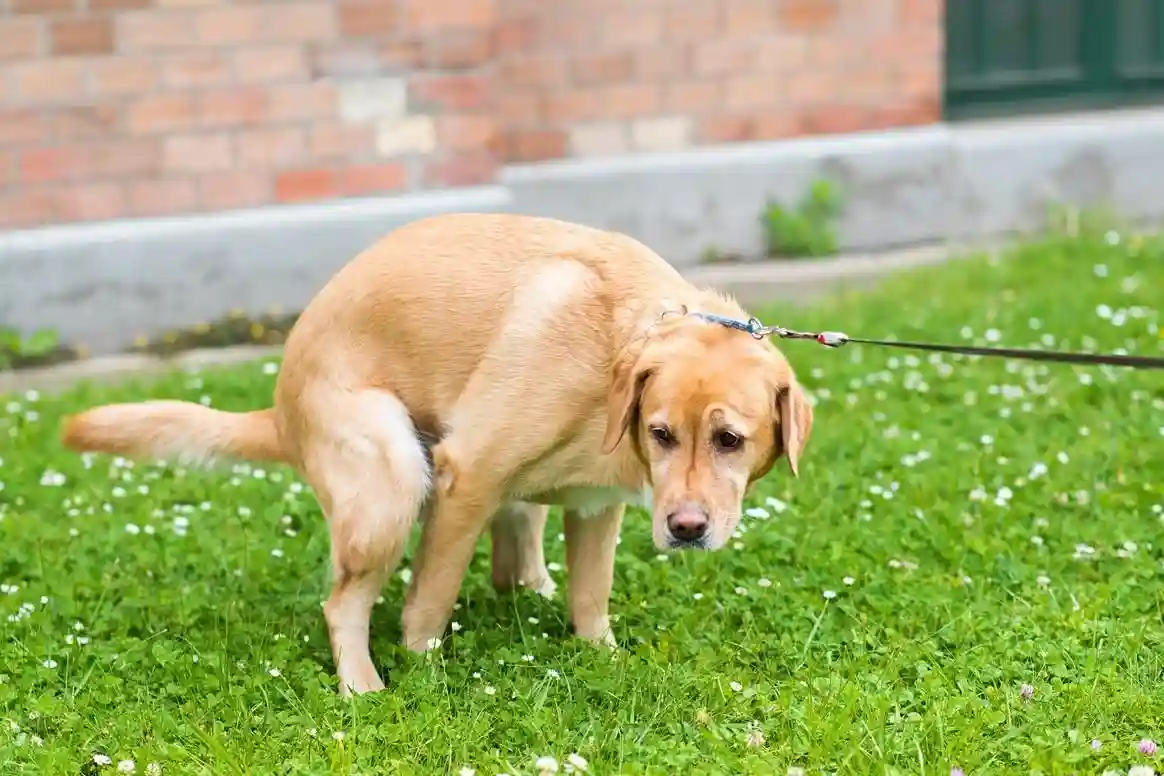
A single, mild bout of diarrhea in an otherwise normal dog often clears up on its own within 24 hours. Diarrhea that lasts longer than 24–48 hours, contains blood, or comes with lethargy, vomiting, or a refusal to eat is different — those combinations point toward dehydration or a more serious underlying cause and need veterinary attention. Because dehydration can set in quickly, especially in puppies and senior dogs, knowing which category you're looking at matters.
What Causes Diarrhea in Dogs?
Dietary indiscretion. Getting into trash, table scraps, or something new is one of the most common causes.
Sudden food changes. Switching foods too quickly can upset the gut without anything being medically wrong.
Food intolerance or allergy. Diarrhea that shows up consistently around mealtimes can point to an ingredient sensitivity.
Stress or anxiety. A new environment, travel, or a change in routine can trigger loose stools.
Parasites, bacteria, or viral infection.
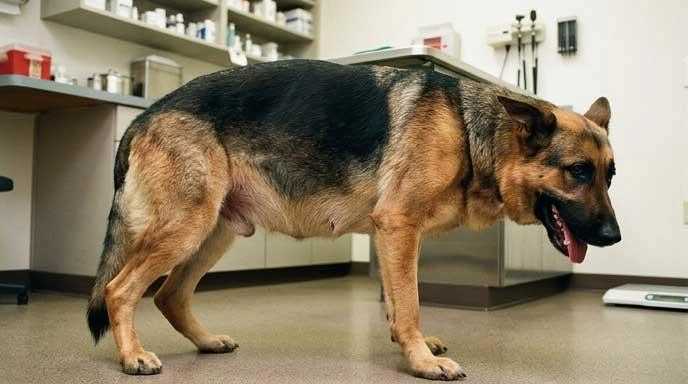
Breed predisposition. Terriers, Golden Retrievers, Great Danes, Shih Tzus, German Shepherds, Irish Setters, Boxers, and Poodles are commonly noted as having more gut sensitivity.
Toxin or foreign object ingestion.
Underlying disease, including pancreatitis or, less commonly, conditions like lymphoma.
What Does the Stool Look Like? Why It Matters
Appearance | What it may indicate |
|---|---|
Soft but formed, occasional | Often mild dietary upset — usually not urgent |
Watery, frequent (multiple times per hour) | Higher risk of rapid dehydration — treat as urgent |
Bright red blood (hematochezia) | Bleeding in the colon or lower digestive tract — seek care immediately |
Dark, tarry, or black (melena) | Digested blood from the upper digestive tract — seek care immediately |
Mucus-covered | Can indicate colon inflammation; worth mentioning to your vet if it persists |
If you're heading to the vet, a fresh stool sample (less than 12 hours old, not frozen) in a sealed container or bag can speed up diagnosis.
When Is Dog Diarrhea an Emergency?
Seek veterinary or emergency care if your dog has diarrhea along with any of the following:
Blood — bright red or dark, tarry stool
Diarrhea lasting more than 24–48 hours
Multiple episodes within an hour, or unable to hold it overnight
Vomiting alongside the diarrhea
Lethargy or unusual weakness
Refusing to eat or drink for more than 12 hours
Fever (above 103°F)
Abdominal pain, bloating, or a hunched "praying" posture
Signs of dehydration — sunken eyes, dry gums, or skin that doesn't snap back quickly when gently pinched
Known or suspected toxin ingestion
Puppies, senior dogs, and dogs with existing health conditions are at higher risk of rapid dehydration and should be seen sooner, even if the diarrhea looks relatively mild.
What Can I Do at Home for Mild Diarrhea?
If your dog is alert, still drinking, and has had just one or two loose stools with no other symptoms:
Don't withhold water. Unlike with vomiting, water is important to replace what's being lost — just make sure they're not gulping large amounts at once if vomiting is also present.
Consider a bland diet. Small amounts of boiled chicken and plain rice are commonly used to give the gut a break.
Skip fatty treats and table scraps while their stomach settles.
Watch closely for 24 hours. If it hasn't resolved, or new symptoms appear, call your vet.
Track frequency and consistency. Being able to tell your vet how often and what it looks like helps them assess urgency faster.
Frequently Asked Questions
When should I worry about my dog's diarrhea?
Worry if it lasts more than 24–48 hours, contains blood, or comes with vomiting, lethargy, fever, or refusal to eat or drink. A single mild episode in an otherwise normal dog is usually not urgent.
Is diarrhea with blood always an emergency?
Yes. Both bright red blood and dark, tarry stool are considered veterinary emergencies and should prompt immediate care rather than a wait-and-see approach.
Can stress cause diarrhea in dogs?
Yes. Travel, a new environment, or a disruption in routine can trigger diarrhea on its own, without any underlying illness.
Should I feed my dog during a bout of diarrhea?
A short period of a bland diet — boiled chicken and plain rice in small amounts — is a common approach, and water should generally still be offered. If diarrhea persists past 24 hours, check with your vet before continuing home care.
How quickly can a dog become dehydrated from diarrhea?
Faster than many owners expect, especially if vomiting is also happening or the dog is a puppy or senior. Watch for sunken eyes, dry gums, and skin that's slow to snap back as early signs.
Not Sure If This Is Serious? Get Guidance for Your Specific Dog
Diarrhea can mean almost anything, from a diet slip-up to something that needs same-day care — and the right response depends on details a generic search can't weigh for you. PetFirst Assist lets you describe exactly what's happening — frequency, appearance, what else you're seeing — and get guidance based on those specifics, plus a clear signal on when it's time to call the vet.
PetFirst Assist is an informational tool and does not replace professional veterinary diagnosis or treatment. For serious or life-threatening symptoms, contact a veterinarian or emergency veterinary hospital immediately.
More Blogs