Aug 18, 2026
Ferret
Symptoms
Why Is My Ferret Weak and Wobbly?
A weak, wobbly, or hard-to-wake ferret may be hypoglycemic — often from insulinoma. Learn the warning signs, first-aid steps, and when it's an emergency.

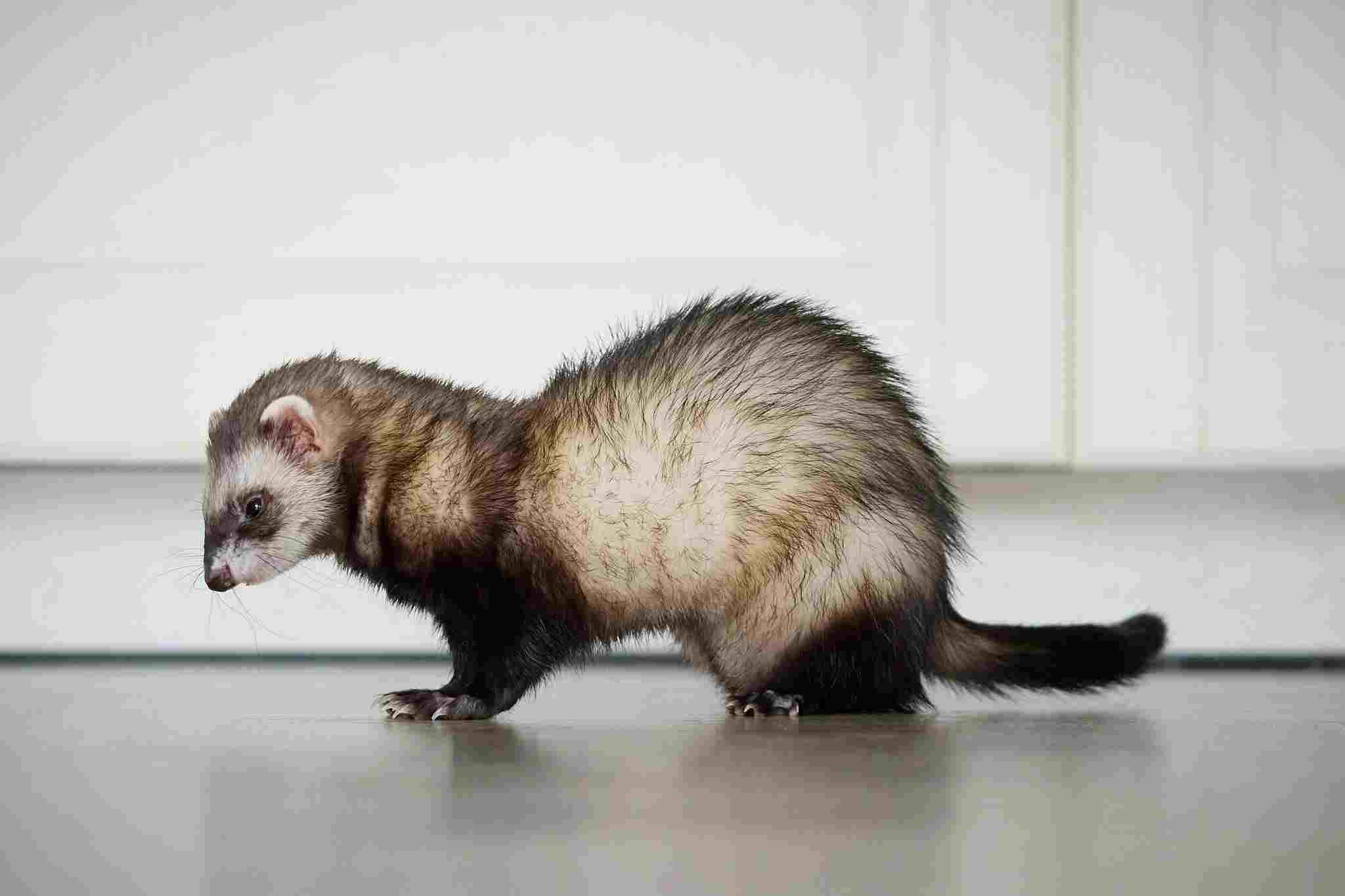
A ferret that's suddenly weak, wobbly in the back legs, or difficult to wake from sleep is very likely hypoglycemic — dangerously low blood sugar — and this can escalate to seizures, collapse, or coma if not addressed. In ferrets, the most common cause is insulinoma, a tumor of the pancreas that overproduces insulin. It's one of the most frequently diagnosed conditions in middle-aged and older ferrets, and early signs are easy to miss because they're often subtle and come and go.
What Is Insulinoma?
Insulinoma is a tumor made up of insulin-producing cells in the pancreas. It causes the body to keep releasing insulin even when blood sugar is already dangerously low, so glucose keeps getting driven down instead of stabilizing. Blood glucose is what the brain and muscles run on, so when it drops too far, the nervous system and muscles are the first things affected.
Insulinoma is typically seen in ferrets between 2 and 8 years old, with 5 years as the median age at diagnosis. It's very common in pet ferrets and generally does not spread to other organs, but left untreated it's progressive and can become fatal.
What Are the Early Signs?
Early hypoglycemia symptoms are often subtle and easy to write off as normal sleepiness:
Difficulty waking from sleep, or seeming unusually groggy
A reduction in activity or interest in play
Excessive drooling or pawing at the mouth (often from nausea)
A dazed or glassy-eyed stare
Mild weight loss
Many ferrets with insulinoma look completely normal much of the time, since symptoms are often episodic — appearing, disappearing, and gradually worsening over weeks or months.
What Do More Advanced Symptoms Look Like?
As blood sugar drops further, symptoms become more obvious:
Hind leg weakness or wobbliness
Stumbling, incoordination, or walking as if drunk
Tremors or muscle twitching
Confusion, disorientation, or walking in circles
"Stargazing" — an unusual fixed, upward gaze
Collapse, seizures, or loss of consciousness in severe cases
When Is This an Emergency?
Contact your veterinarian immediately, and treat it as an emergency, if your ferret:
Collapses or loses consciousness
Has a seizure
Cannot be woken up
Shows sudden, severe weakness or disorientation
Prolonged, severe hypoglycemia can damage the brain, so these signs should never be watched and waited on.
What Should I Do Right Now?
If your ferret is awake and able to swallow, offer a small amount of a high-sugar food — Karo syrup, honey, or a similar glucose source — to raise blood sugar quickly. Follow this soon after with a normal, high-protein meal, since a sugar-only response can cause a rebound drop.
If your ferret has collapsed or is unable to swallow, rub a small amount of honey or syrup directly onto the gums — not in the mouth, to avoid choking — and take care around a ferret that may be mid-seizure to avoid being bitten.
Keep them warm and calm, and move them away from anything they could fall from or get tangled in if a seizure occurs.
Get to a vet immediately after any collapse, seizure, or loss of consciousness — home sugar treatment is only a temporary stabilizing step, not a fix.
How Is Insulinoma Diagnosed and Treated?
Diagnosis relies on bloodwork showing low blood glucose, often measured after a few hours of fasting, alongside a physical exam. Imaging like ultrasound is sometimes used, though insulinoma tumors are frequently too small to see or feel directly. Treatment options include:
Medical management with medications that help stabilize blood sugar
Dietary changes, since a diet too high in carbohydrates is thought to contribute to the disease
Surgery to remove the tumor, in ferrets who are good candidates
There's currently no permanent cure, but medical and surgical management can control symptoms for an extended period.
Frequently Asked Questions
What does hypoglycemia look like in a ferret?
Early signs include lethargy, difficulty waking, drooling, and reduced activity. More severe hypoglycemia causes hind leg weakness, stumbling, disorientation, tremors, and can progress to seizures or collapse.
Is insulinoma common in ferrets?
Yes. It's one of the most frequently diagnosed conditions in pet ferrets, typically appearing between 2 and 8 years of age.
What should I do if my ferret collapses?
Rub a small amount of honey or Karo syrup on the gums if they can't swallow, keep them warm, and get to a veterinarian immediately. This buys time, but doesn't replace veterinary treatment.
Can insulinoma be cured?
There's no known permanent cure, but medical management (medication and diet) or surgery can control symptoms for a meaningful period, often for years with proper management.
Why do ferrets with insulinoma sometimes crash after eating something sweet?
A sugar spike triggers a matching insulin spike, and a ferret with insulinoma can't regulate that response the way a healthy ferret can — leading to a sharper blood sugar crash afterward. High-protein snacks are generally safer than sugary treats for a ferret with this condition.
Not Sure If This Is Serious? Get Guidance for Your Specific Ferret
Hypoglycemia symptoms can look subtle at first and easy to mistake for normal grogginess. PetFirst Assist lets you describe exactly what you're seeing — energy level, wobbliness, how easily they wake up — and get guidance based on those details, plus a clear signal on when it's time to call the vet.
PetFirst Assist is an informational tool and does not replace professional veterinary diagnosis or treatment. For seizures, collapse, or loss of consciousness, contact a veterinarian or emergency veterinary hospital immediately.
More Blogs