Aug 20, 2026
Cat
Symptoms
Why Is My Cat Sneezing?
An occasional cat sneeze is usually nothing, but frequent sneezing, colored discharge, or breathing changes can signal infection. Know what to watch for.

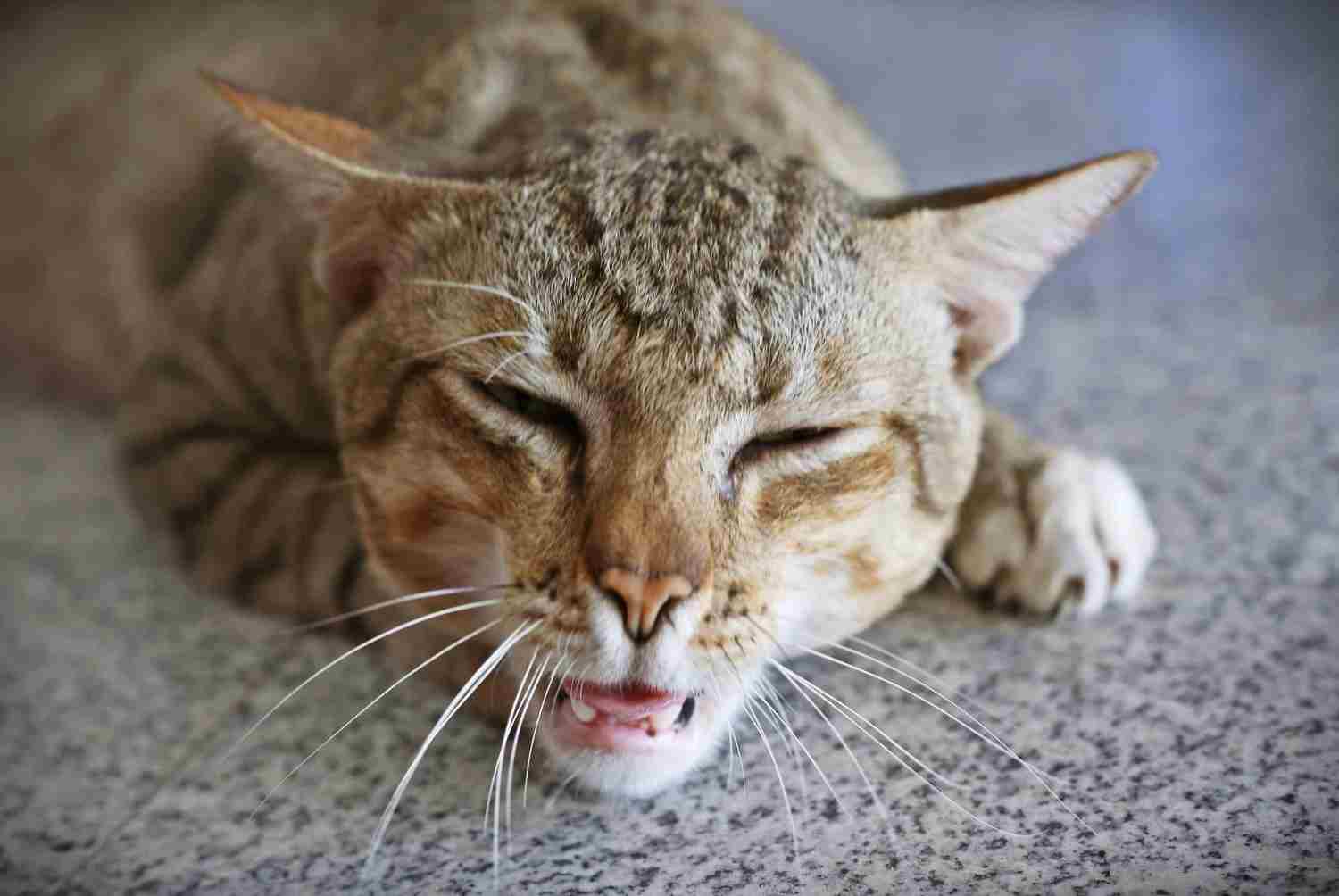
An occasional sneeze with no other symptoms usually isn't a concern, and most cats who are still eating, drinking, and acting normally can be safely watched for a day or two. Frequent or continuous sneezing, colored nasal discharge, or sneezing combined with lethargy and appetite loss is different — those point toward an upper respiratory infection or another underlying condition that needs veterinary care.
What Causes Sneezing in Cats?
Viral upper respiratory infection. By far the most common cause, especially in kittens and shelter cats. Feline herpesvirus and feline calicivirus account for the large majority of cases.
Secondary bacterial infection. Bacteria often move in after a virus has already irritated the nasal passages, sometimes producing thicker, colored discharge.
Irritants. Dust, smoke, strong perfumes, cleaning products, or other airborne chemicals can trigger sneezing without any infection involved.
Foreign objects. A blade of grass or small particle lodged in the nasal passage can cause sudden, repeated sneezing.
Dental disease. Infections at the tooth root can inflame the nearby nasal cavity and trigger sneezing.
Allergies. Less common in cats than in people — feline allergies more often show up as skin itching or hair loss than sneezing.
Feline herpesvirus is extremely common — the large majority of cats carry it, often dormant, and stress can trigger a flare-up of sneezing and other symptoms even in a cat that seemed perfectly healthy.
What Does the Discharge Tell You?
Clear discharge is more often viral or allergy-related.
Yellow or green discharge suggests a bacterial component has joined in.
Discharge from both nostrils (bilateral) is typical of a general respiratory infection.
Discharge from just one nostril (unilateral), or a bloody nose, is different — this points toward a structural cause like a foreign object or an abscessed tooth, and always warrants a vet visit rather than a wait-and-see approach.
A short video of your cat sneezing can help your vet confirm what's actually happening and speed up diagnosis.
When Is Cat Sneezing an Emergency?
See a veterinarian if your cat:
Sneezes frequently or continuously, rather than just occasionally
Has thick, colored, or bloody nasal discharge
Has discharge from only one nostril
Stops eating or drinking
Is unusually lethargic
Has red, swollen, or squinting eyes alongside the sneezing
Is coughing, which can mean the infection has moved into the lower respiratory tract
Breathes with an open mouth at rest, or shows blue-tinged gums — this is never normal and needs immediate care
Kittens should always be seen by a vet for these symptoms, even if an adult cat with the same signs might be fine to monitor for a day or two.
What Can I Do at Home for Mild Sneezing?
If your cat sneezes only occasionally and otherwise seems completely normal:
Keep them indoors and monitor for a day or two rather than jumping straight to the vet.
Isolate a sneezing cat from other cats in the household, since the common viral causes are highly contagious between cats.
Reduce airborne irritants — cut back on strong cleaning products, perfumes, or smoke near your cat.
Use a humidifier if your vet suggests it, since this can ease mild congestion.
Watch appetite and energy closely. These are the two biggest tells that something more than a mild cold is going on.
Frequently Asked Questions
Is it normal for a cat to sneeze occasionally?
Yes. A cat that sneezes once in a while with no other symptoms and is otherwise eating, drinking, and acting normally usually doesn't need immediate veterinary care — monitoring for a day or two is reasonable.
When should I worry about my cat sneezing?
Worry if sneezing is frequent or continuous, if there's colored or bloody discharge, if it's only from one nostril, or if your cat stops eating, becomes lethargic, or shows eye involvement. Any of these warrant a vet visit.
Is cat sneezing contagious to other cats?
Yes. The most common causes — feline herpesvirus and calicivirus — are highly contagious between cats, so isolating a sneezing cat from others in the household is a good idea.
Can cat sneezing be caused by allergies?
It's possible, but less common than in people. Feline allergies more typically show up as skin irritation, itchiness, or hair loss rather than sneezing.
Why is one-sided nasal discharge different from discharge on both sides?
Discharge from both nostrils usually points to a general respiratory infection. Discharge from just one nostril often signals something structural, like a foreign object or dental abscess, and should always be checked by a vet.
Not Sure If This Is Serious? Get Guidance for Your Specific Cat
Sneezing can mean anything from a passing irritant to a respiratory infection, and telling the two apart depends on details a generic search can't weigh for you. PetFirst Assist lets you describe exactly what you're seeing — how often, discharge color, other symptoms — and get guidance based on those specifics, plus a clear signal on when it's time to call the vet.
PetFirst Assist is an informational tool and does not replace professional veterinary diagnosis or treatment. For breathing difficulty or blue-tinged gums, contact a veterinarian or emergency veterinary hospital immediately.
More Blogs