Aug 16, 2026
Dog
Symptoms
Why Is My Dog Limping?
Dog limping can be minor or serious. Learn the common causes, sudden vs. gradual onset, safe home care, and the warning signs that need a vet now.

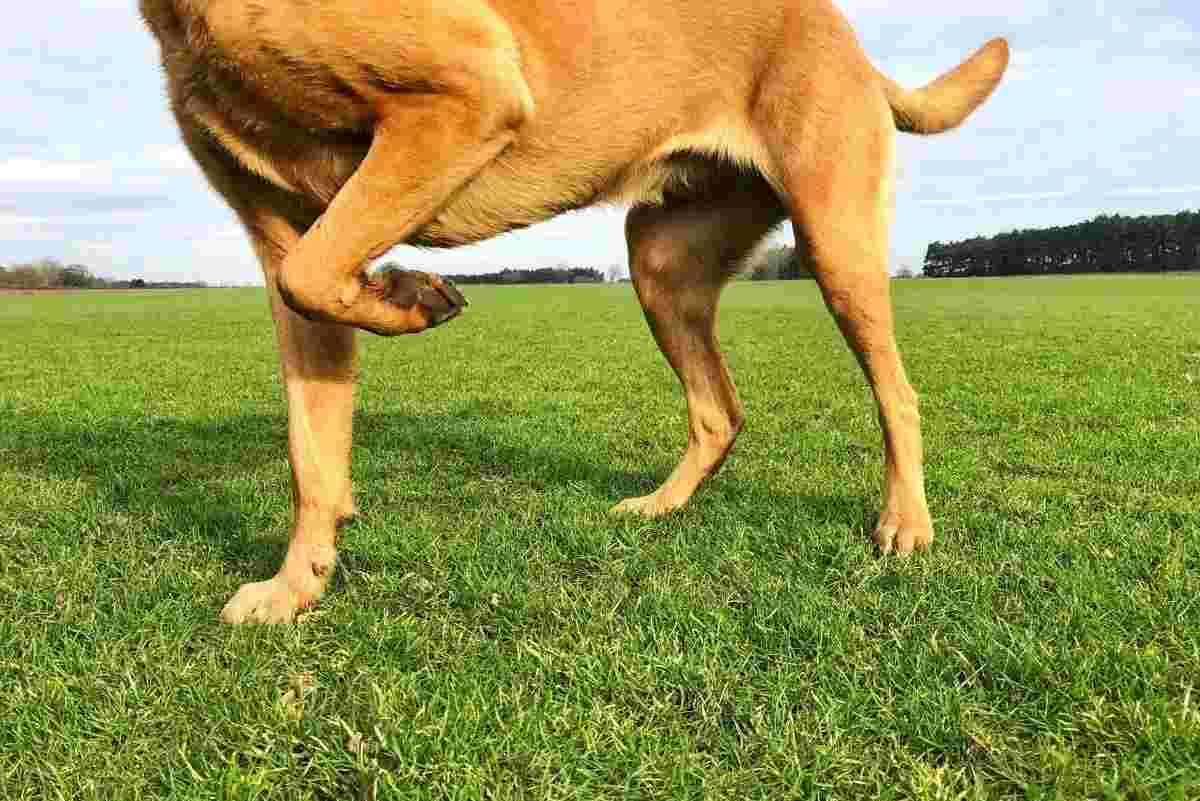
A mild, sudden limp with no other symptoms often improves with a couple of days of rest, but a limp paired with severe pain, swelling, dragging a limb, or refusal to bear weight needs same-day veterinary care. Limping is one of the most common reasons owners bring dogs to the vet, and figuring out whether it's a sore paw or something more serious usually comes down to how it started and what else is going on.
Sudden vs. Gradual Limping: Why It Matters
Vets generally sort limps into two categories, and the distinction helps narrow down the cause:
Sudden-onset limping happens quickly, usually right after an injury, a misstep, or trauma — a sprain, a thorn in the paw, or a fracture.
Gradual-onset limping develops slowly over time and is more often linked to a chronic or degenerative condition, like arthritis or hip dysplasia.
Telling your vet which type you're seeing — and when it started — helps them narrow down the cause faster.
What Causes a Dog to Limp?
Paw injuries. Cuts, thorns, glass, or other objects lodged between the toes are one of the most common and most overlooked causes.
Sprains and strains. From rough play, running, or jumping awkwardly.
Broken or overgrown nails.
Fractures or dislocations, usually from a fall, accident, or collision.
Arthritis. More common in older dogs and larger breeds; tends to be gradual and worsen with activity.
Hip or elbow dysplasia, especially in larger breeds.
Panosteitis ("growing pains") in puppies, which can cause shifting-leg limping.
Ligament injuries, like a torn cranial cruciate ligament, common in the hind legs.
Neurological issues. Conditions like intervertebral disc disease (IVDD) or spinal injury can cause dragging or knuckling that looks like limping but isn't purely musculoskeletal.
How Can I Tell If It's Serious?
Check your dog gently for clues:
Look at the paw first. Check between the toes and pads for cuts, foreign objects, or swelling — this is a common cause and an easy one to rule out.
Watch how they're bearing weight. A dog who won't put any weight on the leg at all is a bigger concern than one who's just favoring it slightly.
Feel for heat, swelling, or an obvious deformity, but don't force movement or press hard if your dog reacts painfully.
Note whether it's one leg or more. Weakness or wobbliness affecting multiple limbs points toward a neurological issue, not a simple sprain.
When Is Dog Limping an Emergency?
Seek same-day or emergency veterinary care if your dog:
Refuses to bear any weight on the leg
Is dragging one or more limbs, or knuckling under on the paw
Shows severe pain, crying out, or won't let you touch the leg
Has visible swelling, an obvious deformity, or exposed bone
Has uncontrollable bleeding
Has a fever over 103.5°F
Shows signs of shock — pale gums, rapid breathing, weakness
Is wobbly, stumbling, or uncoordinated (ataxia) rather than simply favoring a leg
Dragging, knuckling, or wobbliness in multiple limbs points to a possible neurological emergency, not a routine limp — these cases need urgent evaluation, since permanent nerve damage can occur within hours.
What Can I Do at Home for a Mild Limp?
If the limp is new, mild, and your dog shows no other signs of injury:
Rest is the priority. Limit activity to short leash walks and skip running, jumping, and stairs.
Check the paw for anything obvious — a splinter or small stone is an easy fix.
Alternate heat and ice packs if you suspect inflammation, following your vet's guidance on timing.
Give it 24–48 hours. Mild limps from overexertion often improve in that window.
Call your vet if it doesn't improve, gets worse, or your dog starts whining or yelping — don't wait past 48 hours to check in.
Frequently Asked Questions
When should I take my limping dog to the vet?
Go in the same day if your dog won't bear any weight, is dragging a limb, shows severe pain, has visible swelling or a deformity, or seems weak or in shock. A mild limp that's improving within 24–48 hours can usually wait for a regular appointment.
Can a dog limp without being in pain?
It's uncommon, but possible — some limping is neurological or related to proprioception rather than pain. In most cases, though, limping means a dog is shifting weight away from a painful area.
How long is it okay to wait before seeing a vet for a limp?
Mild, sudden limps with no other symptoms are often reasonable to monitor for 24–48 hours. If the limp persists, worsens, or your dog shows signs of significant pain, don't wait longer than that.
What's the difference between sudden and gradual limping?
Sudden limping usually follows an injury or trauma and points to sprains, fractures, or paw injuries. Gradual limping develops over time and more often signals a chronic issue like arthritis or joint dysplasia.
Is limping in puppies different from limping in adult dogs?
Puppies can develop panosteitis, sometimes called "growing pains," which causes limping that can shift between legs. It's usually not an emergency but is still worth mentioning to your vet.
Not Sure If This Is Serious? Get Guidance for Your Specific Dog
A limp can mean anything from a splinter to a fracture, and the right response depends on details that are hard to weigh on your own. PetFirst Assist lets you describe exactly what you're seeing — which leg, how it started, whether they're bearing weight — and get guidance based on those specifics, plus a clear signal on when it's time to call the vet.
PetFirst Assist is an informational tool and does not replace professional veterinary diagnosis or treatment. For serious or life-threatening symptoms, contact a veterinarian or emergency veterinary hospital immediately.
More Blogs