Aug 15, 2026
Rabbit
Symptoms
Why Is My Rabbit Not Eating?
A rabbit that stops eating may have GI stasis, a medical emergency. Learn the causes, warning signs, first-aid steps, and when to get vet care fast.

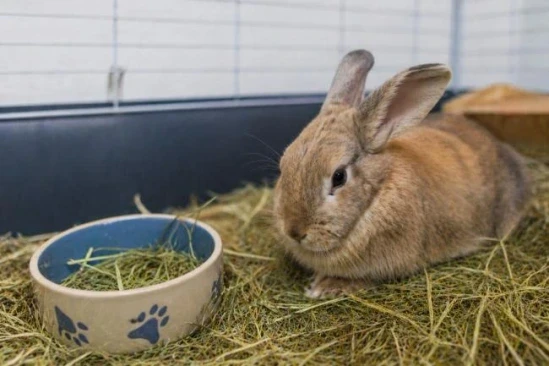
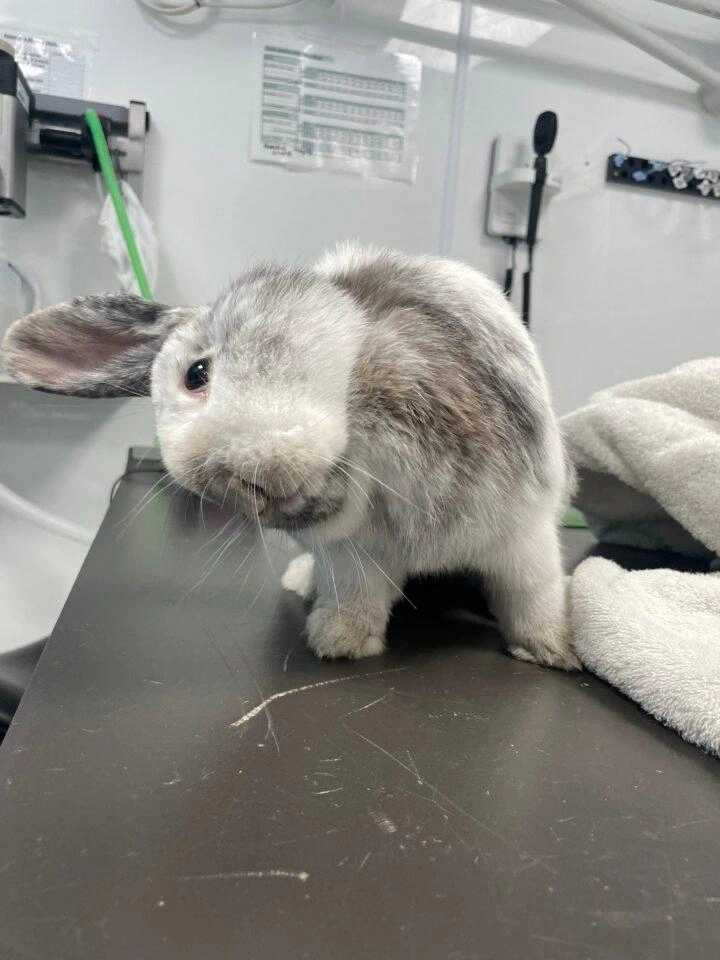
A rabbit that isn't eating should be treated as a medical emergency, not a wait-and-see symptom. It's abnormal for a rabbit to go more than 8 hours without eating or producing droppings, and skipped meals are usually the first visible sign of GI stasis — a condition that can turn life-threatening within 12 to 24 hours. Rabbits hide illness well, so appetite loss is often the earliest warning you get.
What Is GI Stasis?
GI stasis (also called gut stasis or ileus) happens when the wave-like movements that push food through a rabbit's digestive tract slow down or stop. Rabbits are hindgut fermenters that need to eat and digest almost continuously — when that process stalls, gas and harmful bacteria build up in the gut, causing bloating and pain that makes the rabbit even less willing to eat.
It's not one specific disease. GI stasis is usually a symptom of something else — pain, stress, dehydration, dental disease, or a diet too low in fiber — and figuring out that underlying cause is a big part of treatment.
Why Do Rabbits Stop Eating?
Low-fiber diet. Too many pellets, treats, or carbs and not enough hay disrupts normal gut bacteria.
Dental disease. Overgrown or painful teeth make eating uncomfortable, so the rabbit eats less.
Pain of any kind, including arthritis or injury — pain reliably reduces appetite in rabbits.
Stress, overheating, or a change in environment.
Dehydration.
Hairball or foreign material blockage, often from grooming, especially in long-haired breeds.
Underlying infection or organ disease, including parasitic infections that affect gut motility.
What Are the Warning Signs of GI Stasis?
Watch for:
Eating less than usual, or not at all
Small, dry, or misshapen droppings — or none at all
A hunched, tense posture
Teeth grinding (a sign of pain in rabbits)
A bloated or doughy-feeling belly
Lethargy or reduced activity
Loud gurgling from the gut, or unusual silence where gurgling should be
A hairball diagnosis is often actually GI stasis. What looks like a hairball blockage is frequently a result of slowed gut motility, not the original cause of it.
When Is This an Emergency?
Treat it as an emergency and contact a rabbit-savvy veterinarian immediately if your rabbit:
Hasn't eaten or produced droppings in 8–12 hours or more
Has a swollen or bloated abdomen
Is lethargic, hunched, or appears to be in pain
Has stopped drinking water
Shows any combination of the signs above
GI stasis can become life-threatening within 12 to 24 hours, so this isn't a "give it a day and see" situation the way it might be with some other pets.
What Can I Do Before I Reach a Vet?
While you're getting your rabbit to care, gentle supportive steps can help:
Offer unlimited hay and fresh greens. Skip pellets and treats until your rabbit is stable — the goal is fiber, not calories.
Encourage gentle movement if your rabbit is alert enough. Movement can help stimulate the gut. Never force a lethargic or painful rabbit to move.
Keep them warm and calm. Stress and cold both work against recovery.
Track droppings and appetite. Note when your rabbit last ate or pooped — this timeline matters for diagnosis.
Don't wait it out. GI stasis rarely resolves without intervention, and a true blockage can become fatal if treated the wrong way at home.
At the vet, expect a physical exam, X-rays to rule out a true obstruction, and treatment that may include fluids, pain relief, and motility medication.
Frequently Asked Questions
How long can a rabbit go without eating before it's an emergency?
More than 8 hours without eating or producing droppings is considered abnormal and should prompt a vet call. Many sources treat 12 hours as the firm emergency threshold.
Is GI stasis the same as a hairball?
Not usually. What looks like a hairball is often a result of GI stasis slowing the gut down, rather than the original cause of the blockage.
Can GI stasis go away on its own?
It's possible in very mild cases, but GI stasis is unpredictable and can worsen quickly. Veterinary treatment is strongly recommended rather than waiting to see if it resolves.
What should I feed a rabbit with GI stasis?
Unlimited grass hay and fresh leafy greens, with pellets and treats reduced or removed until your vet says otherwise. Fiber is what helps get the gut moving again.
Can stress alone cause a rabbit to stop eating?
Yes. Stress, environmental changes, overheating, and pain can all trigger appetite loss and GI stasis on their own, even without an underlying illness.
Not Sure If This Is Serious? Get Guidance for Your Specific Rabbit
Appetite loss in rabbits moves fast, and it's not always obvious whether you're looking at mild stress or a true emergency. PetFirst Assist lets you describe exactly what you're seeing — how long since your rabbit last ate, droppings, posture, energy level — and get guidance based on those details, plus a clear signal on when it's time for a vet.
PetFirst Assist is an informational tool and does not replace professional veterinary diagnosis or treatment. For serious or life-threatening symptoms, contact a veterinarian or emergency veterinary hospital immediately.
More Blogs