Aug 18, 2026
Fish
Symptoms
Why Is My Fish Gasping at the Surface?
A fish gasping at the surface is short on usable oxygen — from low dissolved oxygen to ammonia poisoning. Learn the causes and what to do right now.

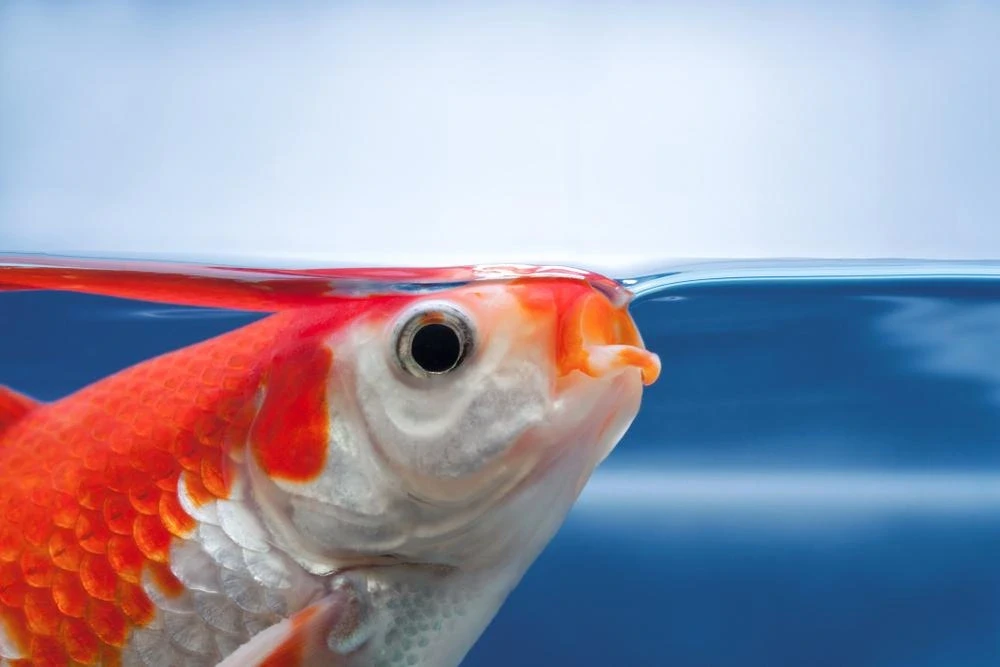
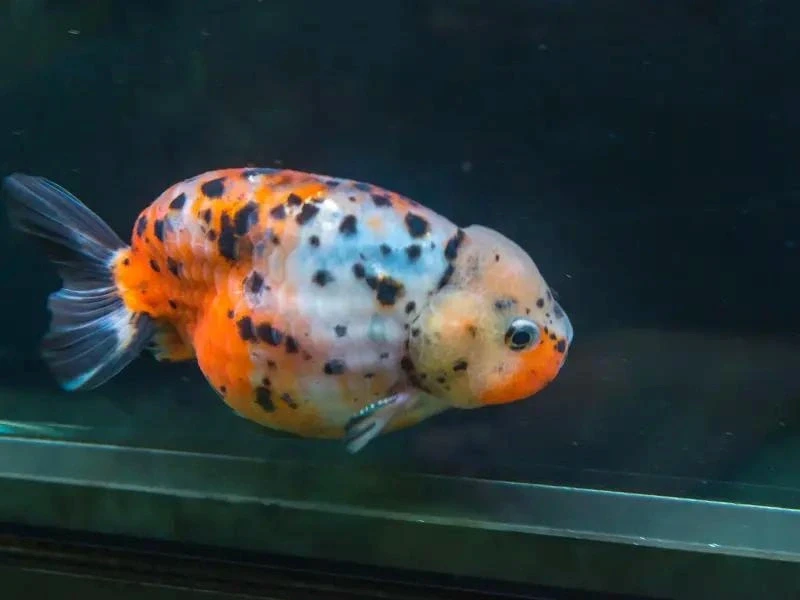
A fish gasping at the surface, mouth opening and closing, is telling you it can't get enough usable oxygen — and this is one of the more time-sensitive fish emergencies, since suffocation is possible within hours in severe cases. The cause is either not enough dissolved oxygen in the water, or a water-quality problem (ammonia, nitrite) that's damaging the gills so they can't absorb oxygen even if levels test fine. Testing your water is the fastest way to tell which one you're dealing with.
Why Is This Happening? The Two Main Categories
1. Low dissolved oxygen. Water simply holds far less oxygen than air, so when levels drop, the surface becomes the only place with any left. Common triggers:
Overcrowding — too many fish for the tank's oxygen supply
Warm water — heat holds less dissolved oxygen than cool water
Weak surface agitation or a clogged, malfunctioning filter
Decaying food, plants, or waste consuming oxygen as they break down
Overnight oxygen dips in heavily planted, CO2-injected tanks
2. Chemically unsafe water. Ammonia and nitrite damage gill tissue directly, so a fish can gasp even in water that would otherwise test fine for dissolved oxygen.
Ammonia poisoning is one of the most common causes of unexplained fish distress in home aquariums. It builds up after overfeeding, a filter change, a power outage, or anything that disrupts the tank's beneficial bacteria.
Nitrite poisoning interferes with a fish's blood's ability to carry oxygen, even when the gills themselves are otherwise fine.
Gill parasites, bacterial or fungal infections, or chemical contamination (household sprays, paint fumes, cleaning agents) can also physically damage gill function.
What Should I Check First?
Test ammonia, nitrite, nitrate, and pH immediately. This is the fastest way to tell a water-quality emergency from an oxygen-supply problem.
Check the temperature. Warmer water holds less oxygen — this matters even if your chemistry tests come back clean.
Look at how many fish are gasping. If several fish are gasping at once, water chemistry is almost always the cause and should be treated as urgent tank-wide. If it's a single fish while others look fine, a localized issue like gill parasites is more likely.
Run the 20-minute filter test. Turn the filter off for 20 minutes and watch. If gasping gets noticeably worse, you likely have a circulation or surface-agitation problem — turn the filter back on immediately.
Watch for other symptoms. Lethargy, red or inflamed gills, scraping against decorations, or clustering near the filter all support a water-quality cause.
What Should I Do Right Now?
Increase surface agitation immediately. Add an air stone, powerhead, or lower the water level slightly to increase splash at the surface — this raises oxygen levels within minutes.
Do a partial water change (25–50%) with dechlorinated, temperature-matched water to dilute ammonia or nitrite and add oxygen.
Stop feeding until levels stabilize — excess food breaks down and adds to the ammonia load.
Add a conditioner that binds ammonia and nitrite if your test results confirm elevated levels.
Don't wait to see if it resolves. Because gasping is a sign the fish is already oxygen-starved, delaying action carries real risk — treat it as urgent from the start.
When Does This Become Critical?
Suffocation from severe oxygen depletion can happen within hours, though milder cases may allow a fish to survive for a few days under prolonged stress. Treat gasping as urgent regardless of how mild it looks, and act immediately if you also see:
Multiple fish gasping at once
Red or visibly inflamed gills
Lethargy or fish hanging motionless near the filter or surface
Gasping at the bottom of the tank, which can point to a more localized and severe problem than surface gasping alone
Frequently Asked Questions
Is a fish gasping at the surface always an emergency?
Treat it as one. Even mild, occasional gasping is a sign of an oxygen or water-quality problem, and severe cases can turn fatal within hours. Testing your water immediately is the right first step every time.
How do I know if it's low oxygen or ammonia poisoning?
Test your water. If ammonia or nitrite reads above zero, gill damage is the likely cause even if oxygen levels are otherwise fine. If your water tests clean but the tank is warm, crowded, or has weak circulation, low dissolved oxygen is more likely.
Why is only one fish in my tank gasping while the others seem fine?
A single gasping fish while others look normal often points to a localized issue, like gill parasites or a fungal/bacterial gill infection, rather than a tank-wide water problem.
Will a water change fix fish gasping at the surface?
A partial water change (25–50%) is one of the fastest ways to dilute ammonia or nitrite and can noticeably help within the same day. It should be paired with adding surface agitation and testing to confirm the underlying cause.
Can warm water alone cause fish to gasp?
Yes. Warmer water holds less dissolved oxygen than cooler water, so a heat spike — even without any chemistry problem — can trigger surface gasping on its own.
Not Sure If This Is an Emergency? Get Guidance for Your Specific Fish
Gasping can come from a handful of different causes, and figuring out which one applies to your tank isn't always obvious from a quick look. PetFirst Assist lets you describe exactly what you're seeing — how many fish, water conditions, other symptoms — and get guidance based on those details, plus a clear signal on what to do next.
PetFirst Assist is an informational tool and does not replace professional veterinary or aquatic-specialist diagnosis or treatment. For rapidly worsening symptoms, act immediately rather than waiting to see if the tank stabilizes on its own.
More Blogs